Teaching Digraphs in Kindergarten

Once kindergarten students have developed a strong foundation in letter sounds and can confidently read and write CVC (consonant-vowel-consonant) words such as cat, dog, and sun, they are ready to begin learning digraphs.
So, what is a digraph? A digraph is when two letters work together to make one sound. Instead of hearing each letter sound separately, the two letters team up to create a brand-new sound. Some of the most common digraphs are sh, ch, th, wh, qu, –ck, and –ng.
Because digraphs build on foundational phonics skills, they are typically introduced after students have mastered CVC words. Once children are comfortable blending and reading simple words, they’re ready for the challenge of learning these special letter teams.
Many teachers begin with sh, ch, and th because these digraphs appear frequently in words children encounter every day. Students love discovering digraphs in words like ship, chin, and with. As their confidence grows, they can move on to other digraphs such as wh and ck.
The best part about teaching digraphs is how much fun it can be! I have a bunch of free digraph activities available. The first thing I do when teaching digraphs is utilize the digraph songs I created. They are super fun to teach your students! They are sung to the tune of “The Wheels on the Bus.”
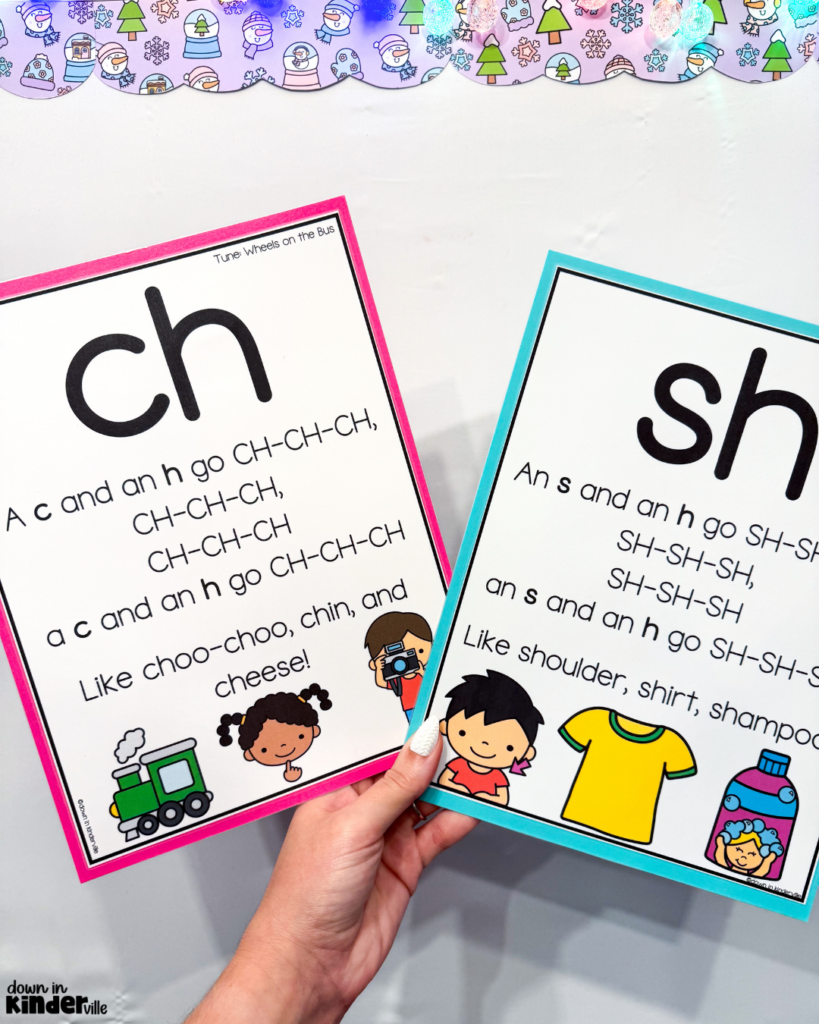

When you sign up for my email list, you can get these posters/songs and a whole lot more for free!
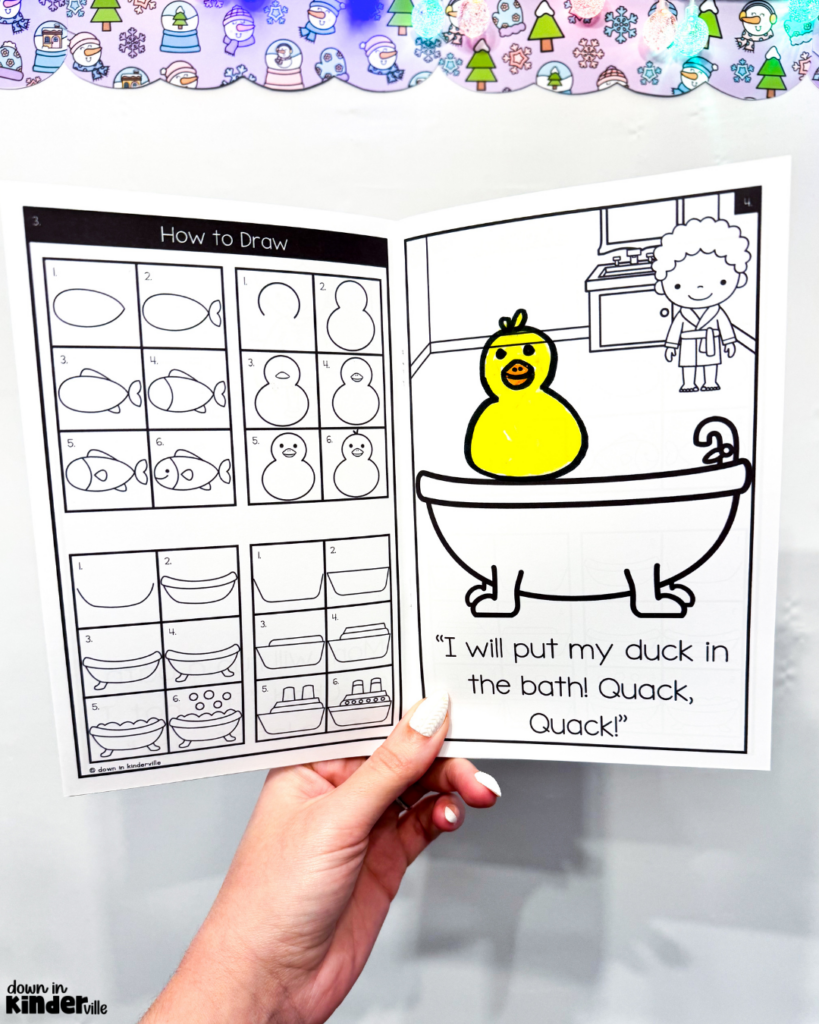
I also like to use my decode and draw digraph books for some extra practice (these are free, too!). Students will “read” and say the digraph, then draw the picture that matches it.
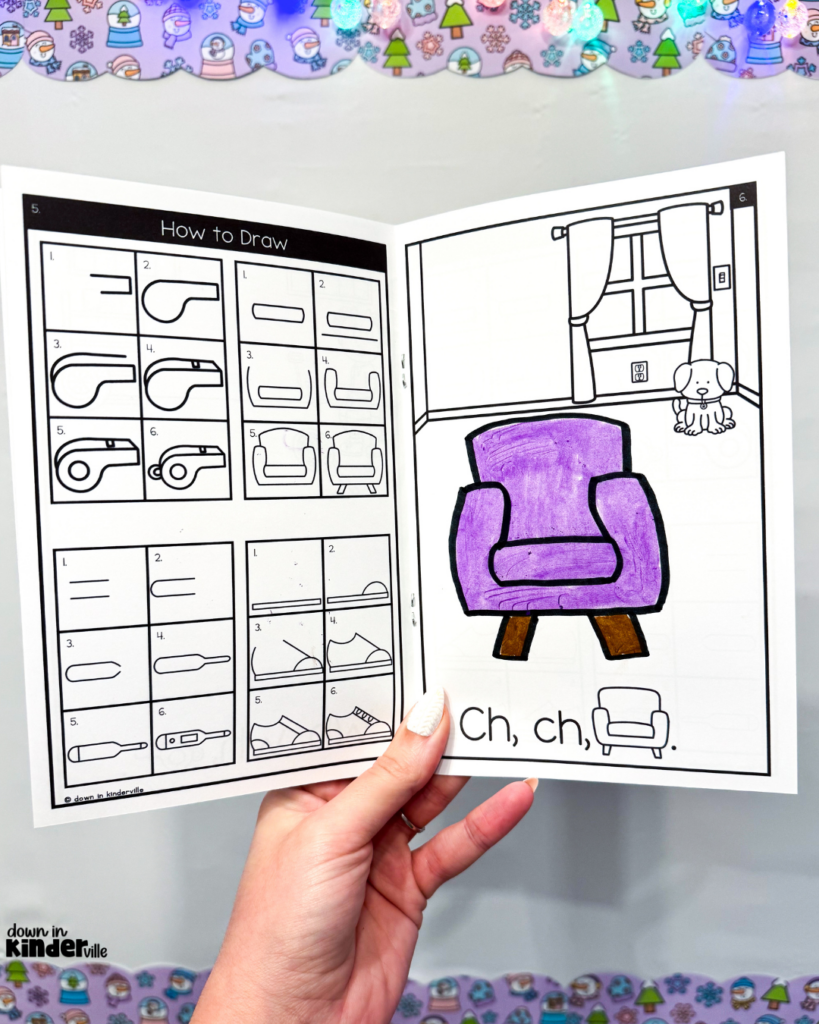
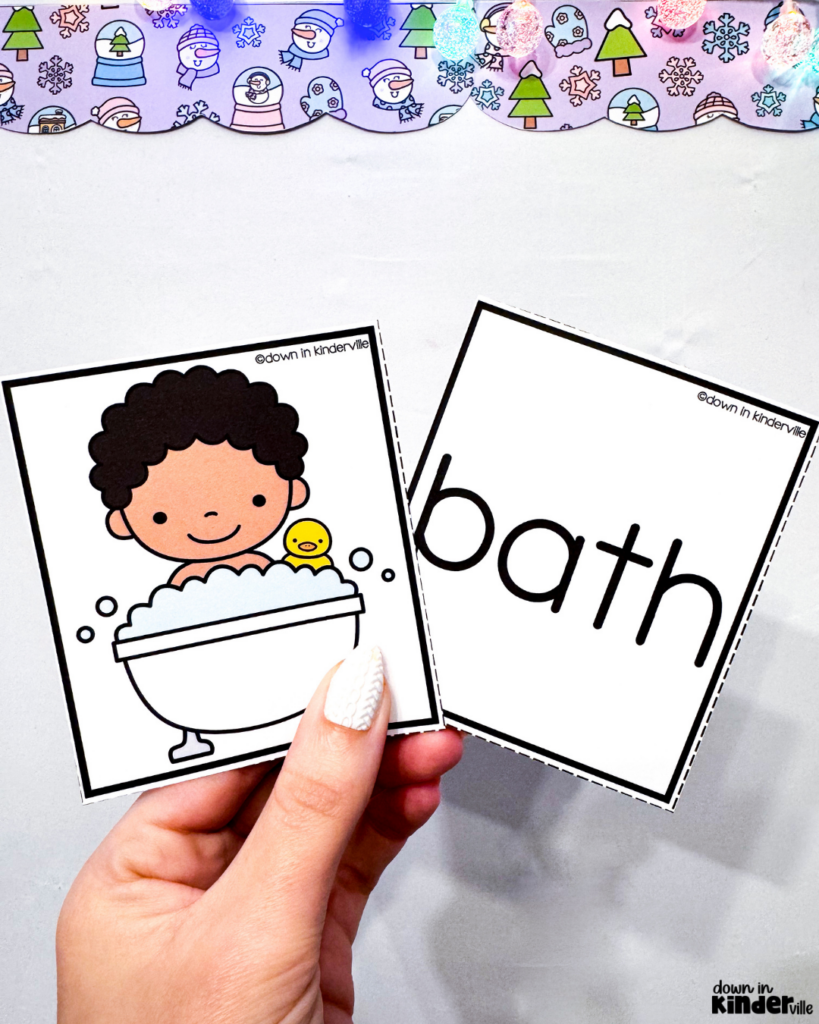
This set of free digraph activities also comes with flash cards. I love to use these for games like memory, as well as a vocab review before I introduce a new decodable reader.
After students have mastered the basics of digraphs, I use the decodable reader included in the free download. It includes simple CVC words and short vowel words with digraphs. Students will read the decodable sentence, then draw the matching picture (using the included directed drawing).
Grab these freebies by signing up for my email list! I send out weekly emails that may include discounts, freebies, teaching tips, and more!